 pupbnb
Imagine you have a very special notebook where you write down everything that happens with money or valuable items, like who sent money to whom. This notebook is a record book, often called a ledger in simple terms.
Normally, this kind of notebook is kept in just one place, like at a bank. The bank controls everything: it writes, stores, and decides whether something is right or wrong. If someone wanted to change something in the notebook, the bank could block it or even alter it if it chose to.
Blockchain works differently. It is like a huge digital notebook, but instead of being stored in one place, it is copied across thousands of computers all over the world. Everyone who participates has the exact same copy.
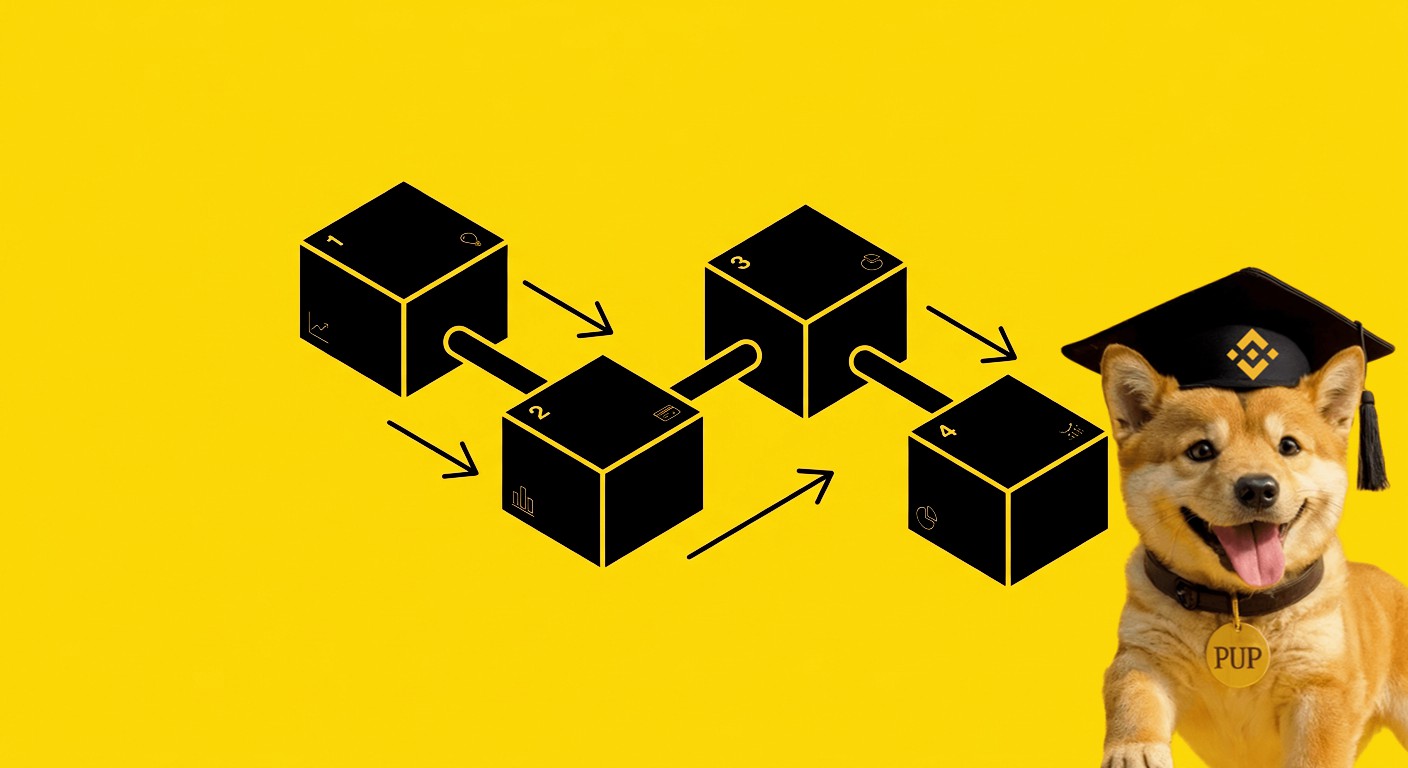
When a transaction happens, that information is written on a new page. This page is called a Block.
Once the block is written, it is linked to the previous one, forming a Chain. That's why it's called Blockchain.
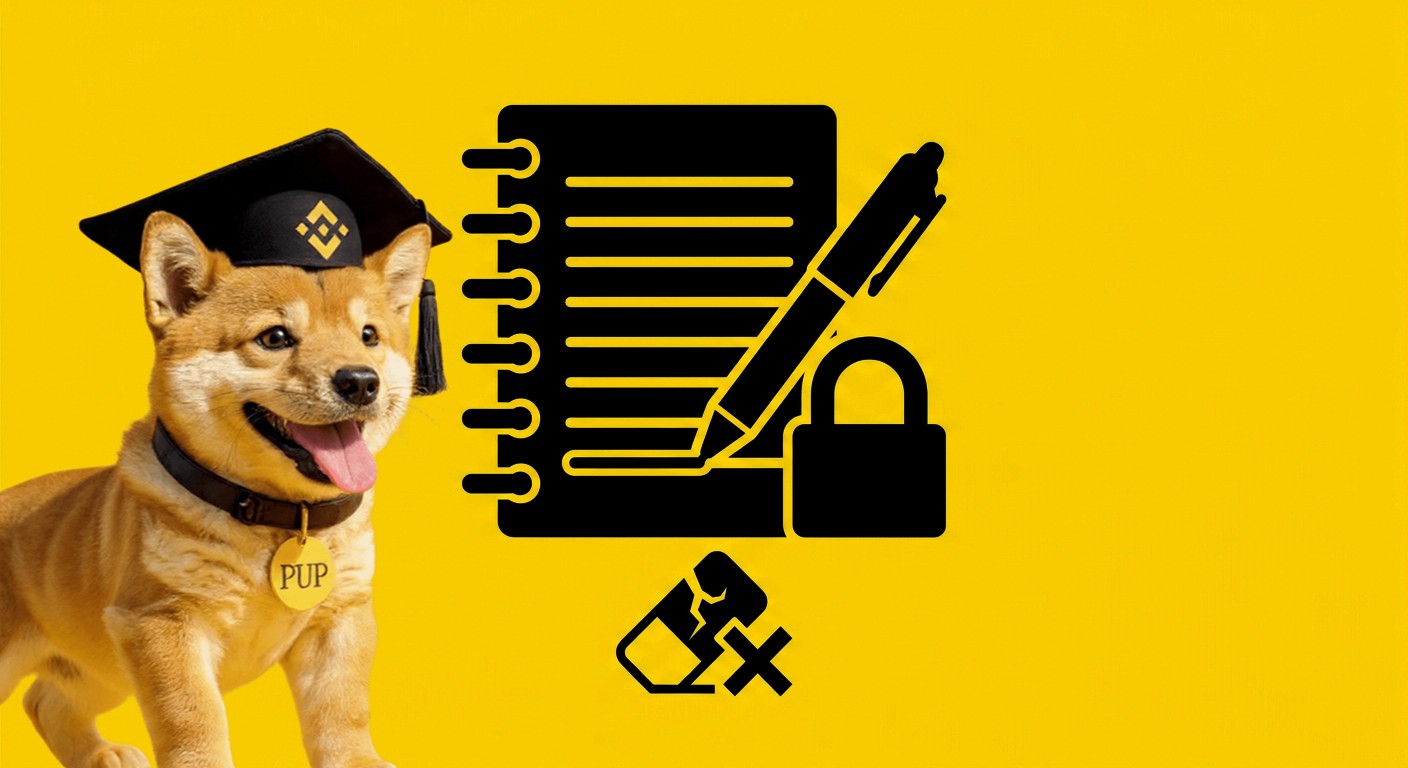
The most important part is that once something is written in this notebook, no one can erase or change it. It is as if the pen were magical and the ink dried permanently.
If someone tried to change an older block, all the other computers would notice immediately because their copies would no longer match. That is why the information stays secure, accurate, and permanent.
Another key point is that there is no need for a bank or a large company to control everything. The people using the system, through thousands of computers, communicate with each other and agree on whether a transaction is valid.
Blockchain is a shared digital ledger maintained by many participants, where everything that is recorded is kept permanently and securely, without the need for a central owner controlling it.
It is the foundation of technologies like Bitcoin, but it can also be used for many other real-world applications. It is that simple: a new and very secure way to store and share important records without having to trust a single person or company.